
California Bridge Law – Driver Guide
Avey Transportation – Operational Compliance Brief
What is the California Bridge Law?
The California Bridge Law regulates the distance between the trailer kingpin and the rear axle of the trailer. It applies to all tractor-trailer combinations operating in California, regardless of load weight.
Key Requirement
The distance from the center of the kingpin to the center of the rear trailer axle must be 40 feet or less. This rule applies statewide and must be followed at all times.
Why This Rule Exists
California enforces this regulation to protect bridges and infrastructure, improve vehicle stability, and reduce the risk of property damage during tight turns.
What This Means for Avey Drivers
Drivers must slide trailer tandems forward before entering California, verify the legal position, and remain compliant whether the trailer is loaded or empty.
Important Notes for 53-Foot Trailers
Most 53-foot trailers require significant tandem adjustment before entering California. Drivers should use trailer markings when available and never rely solely on counting holes.
Local Restrictions
Some California routes may require shorter distances. Always follow dispatch instructions, company routing, and FedEx terminal guidance.
Consequences of Non-Compliance
Violations may result in DOT citations, out-of-service orders, fines, delays, and negative safety score impacts.
Avey Transportation Standard
Drivers must verify compliance, notify dispatch if a trailer cannot be adjusted, and never operate illegally to meet time commitments.
Driver Checklist
Before entering California: Slide tandems, verify axle placement, confirm weights, secure the trailer, and contact dispatch if unsure.
Key Takeaway
This law focuses on axle placement and safety. It is strictly enforced and applies at all times.
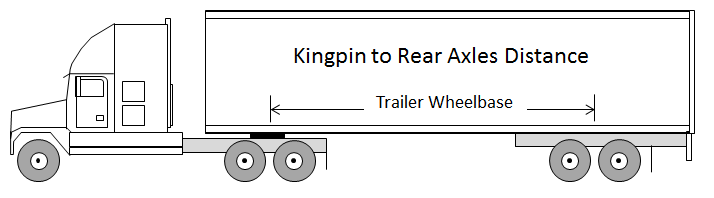
Remember that the center of your kingin to the center of your rear axle must be 40 feet or less.